Shopping Centre Atrium Refurbishment
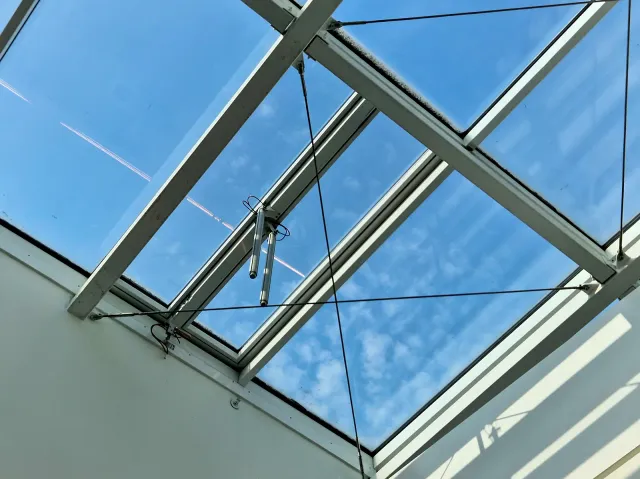
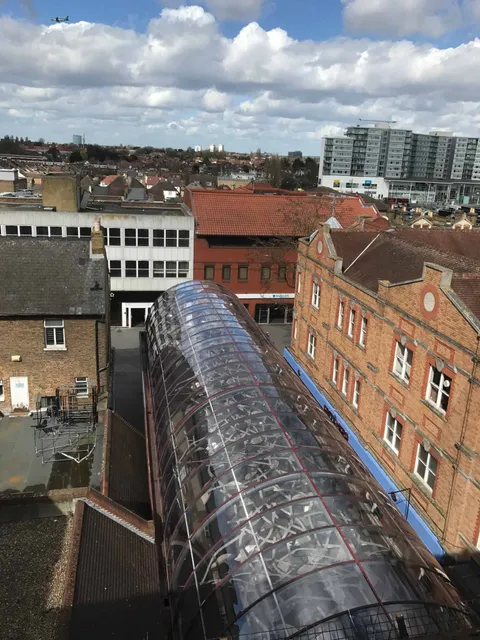
Refurbishment to overhead atrium and panel replacement
Our shopping centre client came to us looking for a long term solution to address the leaks to the existing main entrance atrium.

Atrium glazing repair and refurbishment is often the most cost-effective way to resolve overhead glass problems, avoiding the disruption and expense of a full system replacement. Our experienced technicians inspect your existing atrium glass, identify the root cause of each issue, and specify targeted remedial works so that only what genuinely needs addressing is replaced or overhauled.
We design and deliver tailored programmes to address breakages, water ingress, failed seals, and emergency make-safes. Where atrium glass replacement is necessary, we source compatible units and components to integrate cleanly with your existing system, even where O+M information is limited or unavailable.
All works comply with BS 6262 and the Working at Height Regulations, are supported by site-specific risk assessments and method statements, and are carried out entirely by our in-house IRATA technicians.
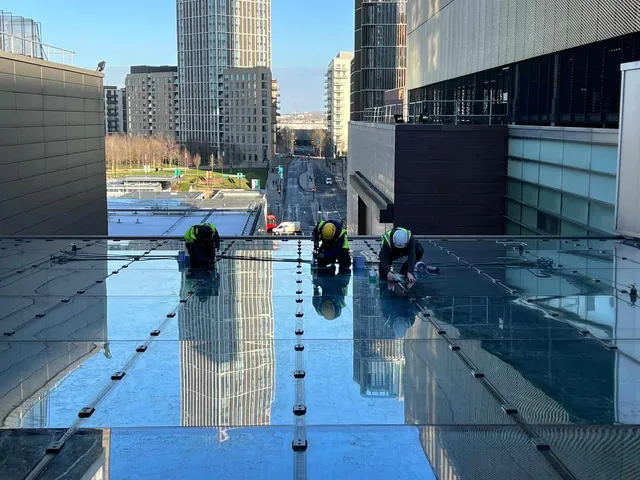
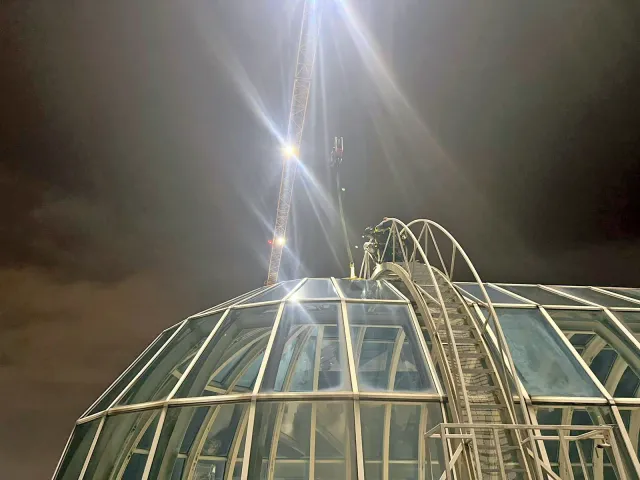
Overhead glazing in a glazed atrium carries real risk. Every access and remedial programme is delivered by our experienced High Level Glazing Specialists, including IRATA Level 3 technicians. Before work begins, we produce site-specific risk assessments and method statements so you have confidence that the access methodology is safe, compliant, and appropriate for your building.
On complex sites, we coordinate with consultants, main contractors, facilities teams, and local authorities to agree safe working zones, out-of-hours programmes, and clear communication. This planning allows essential operations to continue while atrium glazing works are completed safely overhead.
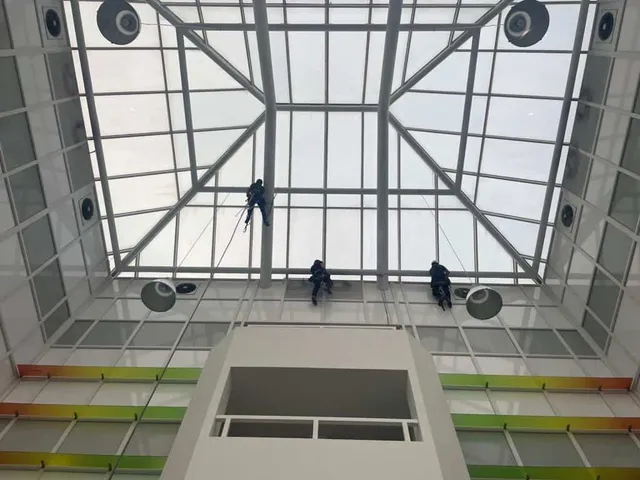
Proactive glass atrium maintenance keeps your atrium glazing safe, watertight, and compliant, rather than waiting for leaks or failures to disrupt your building. Regular attention to seals, gaskets, drainage, and fixings reduces the risk of sudden failures and the costly emergency works that follow.
Our atrium maintenance programmes begin with a detailed inspection to identify defects and replace or refurbish failing components. We carry out targeted atrium leak detection to establish the true source of any water ingress, so it is properly rectified rather than masked. Where roof lights need repair or full replacement, this work is incorporated into the same programme.
Once initial atrium repairs are complete, we agree a structured schedule of ongoing maintenance visits to help you stay ahead of water ingress and manage long-term costs with confidence.
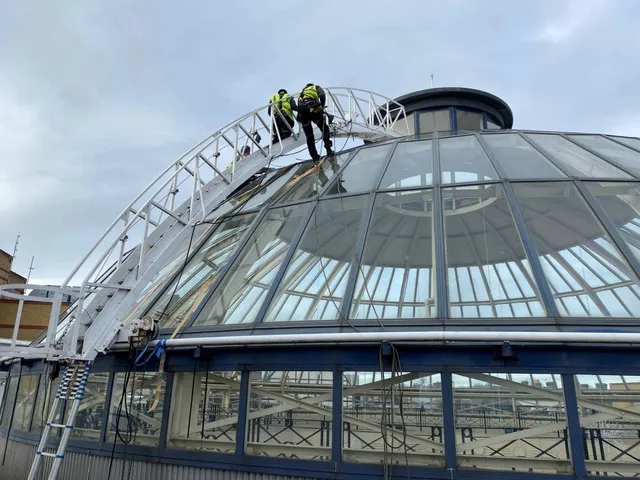
Before any atrium glazing repair work is specified, our experienced technicians carry out a thorough diagnostic investigation to establish exactly where water is entering the building and why. Atrium leak detection is a methodical process: water ingress rarely originates at the most obvious point. Applying sealant without identifying the root cause risks a repeat failure within months.
Our investigation includes a close-access inspection of the glazing, seals, cappings, and surrounding façade interfaces, supported by controlled water testing to trace the ingress pathway. Where O+M information for the original system is unavailable, we carry out the research needed to understand the installed specification before recommending compatible remedial works.
The outcome is a clear, evidence-based remedial proposal. You receive a photographic report detailing the issues identified so that you, your facilities team, or your main contractor can make an informed decision on the most cost-effective course of action. No atrium glazing repair work is recommended until the root cause has been confirmed.
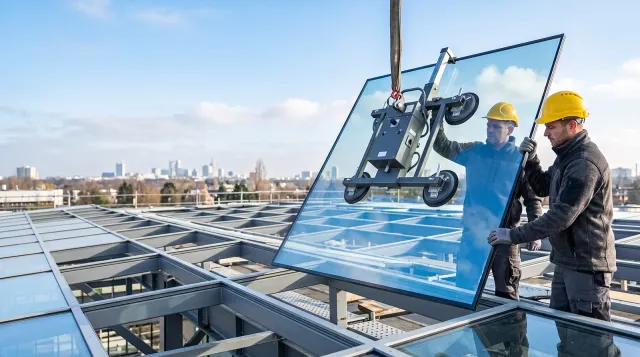
Atrium glass operates under conditions that standard window glazing does not. Overhead and steeply pitched panels carry standing water, bear greater thermal movement, and are far harder to inspect from ground level. Problems can develop undetected until water ingress or a structural concern forces the issue.
Facilities managers often flag the same recurring faults. Recognising them early gives you the best chance of cost-effective remedial works rather than a full system replacement:
These faults share visible symptoms but have different root causes. A commercial skylight repair programme that addresses only surface signs, without proper leak investigation and water testing, risks missing the underlying problem. Professional inspection establishes the actual cause before any remedial works are specified.
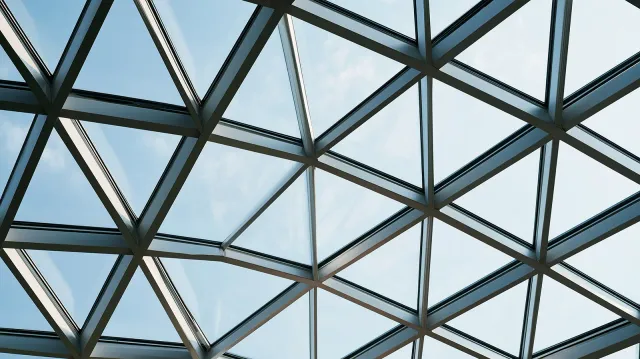
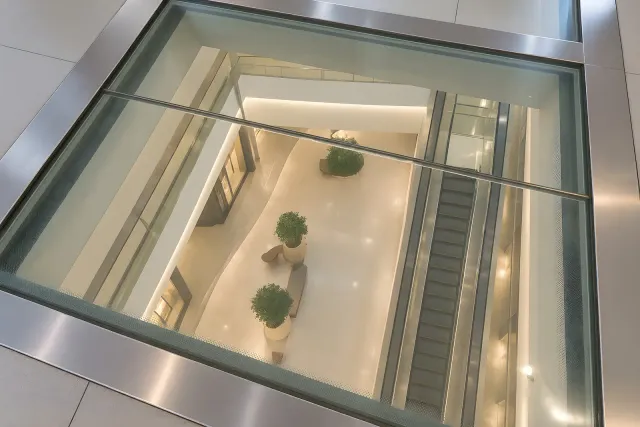
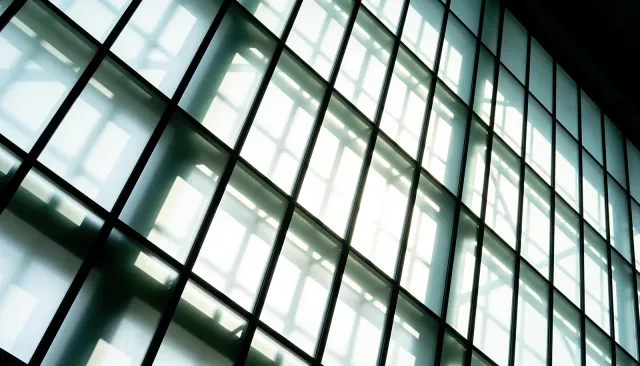
Refurbishment to overhead atrium and panel replacement
Our shopping centre client came to us looking for a long term solution to address the leaks to the existing main entrance atrium.
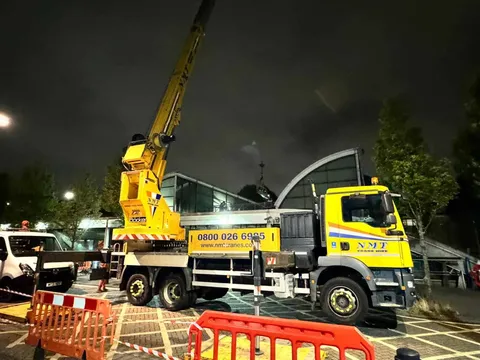
Replacement of glazing with a bespoke frit design
Sky Access were instructed to undertake works with the task to procure replacement glazing whilst also developing a safe system of work to both access the structure and undertake repairs.
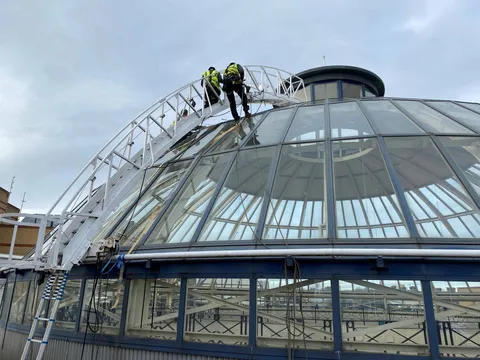
Refurbishment and Maintenance to Atrium Glazing
Our client had a variety of overhead glazing structures throughout their busy Shopping Centre site which were showing signs of age related dilapidation.
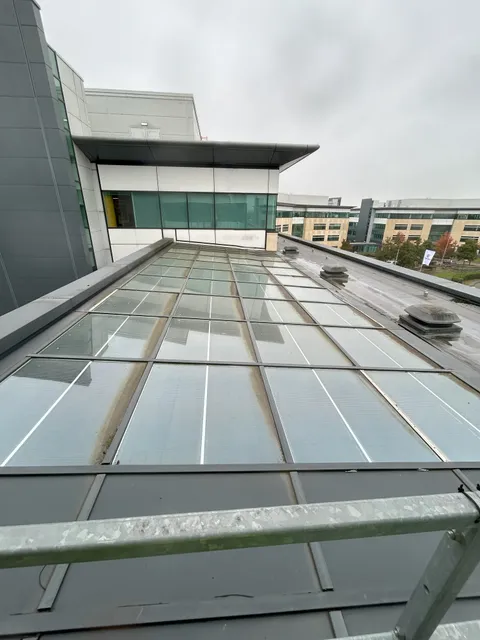
Refurbishment of Leaking Atrium
The Sky Access team were approached by our client to assist with a persistent leaking atrium.
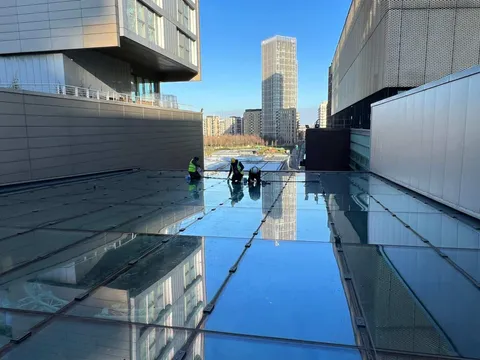
Repair of leaking silicon weather seals to glass roof
After ongoing issues, our client required a solution for a glass roof repair.
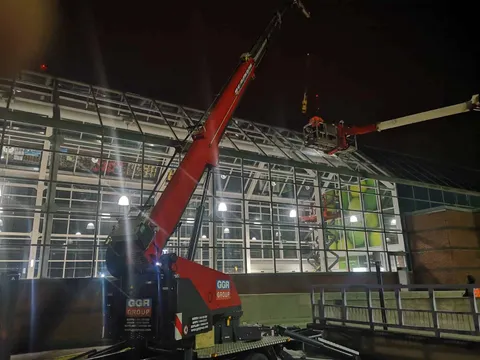
Replacement of defective Atrium glazing
An overhead glazed panel was found to be fractured directly above the main footfall entrance to this busy superstore.
Atrium glazing is the glass and framework that encloses the open central space of a commercial building. It usually combines a glazed atrium roof overhead with vertical screens or curtain walling at the sides, so daylight reaches the lower floors of offices, shopping centres, hospitals and transport buildings. Because the glass sits at height and often spans a public space below, it is designed, installed and maintained to a different standard from ordinary windows.
Overhead glass in a commercial building is usually described as atrium roof glazing, overhead glazing or rooflight glazing, depending on how it is built. Most glazed atrium roofs use laminated glass on the inner pane, so that if the pane breaks the fragments stay bonded to the interlayer rather than falling into the space below. Toughened and laminated combinations are common in commercial glass atriums for exactly that reason.
In most cases it can be repaired. Failed seals, perished gaskets, blown units, worn flashings and leaking joints are all component faults, and an atrium glazing repair that targets the failed component is far less disruptive and less expensive than replacing the whole system. Full atrium glass replacement is the right answer when the frame itself has corroded, the structure no longer meets current loading requirements, or the glass specification is unsuitable for the building's use.
Water almost never enters through the glass itself. It comes in at the joints: failed silicone seals, shrunken or hardened gaskets, blocked or undersized drainage channels, movement in the frame, or perished flashings where the glazing meets the surrounding roof. Internal condensation is often mistaken for a leak and points to a different fault. Atrium leak detection is the first stage of any repair, because repairing the wrong joint simply moves the problem.
High level atrium glazing is reached by selecting the access method that suits the structure and the space beneath it. That might be a mobile elevating work platform, a scaffold or birdcage, or rope access where the floor below cannot take plant or cannot be closed. The access method is decided at survey stage and set out in the method statement and risk assessment before any work starts.
Recurring leaks after every heavy rain, misting or condensation between the panes, cracked or chipped glass, discoloured or crumbling seals, rattling or loose glazing beads, staining on the frames, and rising heating or cooling costs in the space below. Individually these are atrium repairs. Appearing together across the structure, they usually mean the system has reached the end of its serviceable life and a glazed atrium refurbishment is the better long term option.
Rarely. Most atrium glass replacement is planned around the building remaining in use, with the work zone below protected and isolated, and panels changed in sequence rather than all at once. Work can be scheduled outside trading or office hours where the space cannot be given over at all. The programme is agreed at survey stage so facilities teams know which areas are affected and when.
Overhead glazing above an occupied space is treated as a safety critical element. Atrium glazing systems are specified for the loads they carry, including wind, snow and maintenance access, and for what happens if a pane fails, which is why laminated inner panes are the norm. Building owners also have a duty to maintain the structure in a safe condition under workplace and premises legislation, so periodic inspection records matter as much as the original specification. Jurisdiction: England and Wales. Confirm current requirements with your building control body or structural engineer for any specific project.
Yes. Single pane glass atrium repair is routine work, whether that is one blown double glazed unit, a cracked pane, or atrium window repair where the opening vent or its hardware has failed. The replacement unit is matched to the original specification for thickness, build-up, coating and tint so it is not visible against the rest of the roof. Where the original glass is obsolete, the nearest current equivalent is specified and recorded.
Yes. The same high level glazing skills apply across overhead glazing of all types, including roof light repair, commercial skylight repair, lantern lights, barrel vaults and glazed walkways. If it is glass above an occupied commercial space and it is difficult to reach, it falls within the same service as our atrium work.
Atrium window repair requires a different approach to standard commercial glazing work. The combination of overhead position, difficult access, and the need to maintain a watertight seal means that investigation and planning must come before any remedial works are specified. Our experienced technicians carry out a full inspection of the affected units, seals, and drainage before a remedial programme is agreed.
We also carry out commercial skylight repair across a range of systems, from simple rooflights to complex high-level atrium glazing installations spanning multi-storey voids.
On completion, we provide a photographic report and, where appropriate, a successful water test result, giving you clear evidence that the repair has been properly carried out and the system is performing as intended.